Good flavour however a little too weak for my taste.
Great flavour and a nice strong coffee.
Very nice flavour however it was not strong enough for my taste.
As a self confessed coffee snob I think this coffee is tremendous.
Have an account? Log in to check out faster.
Swiss Water® decaf · for the whole nine months
The NHS advises keeping caffeine under 200mg a day while you are pregnant. A cup of our Swiss Water decaf has only a trace, so the ritual you love stays exactly where it is. Only the caffeine leaves.
A decaf that actually tastes like coffee, not a nine-month compromise. BBC Countryfile named it a best decaf in 2025.
The Swiss Water Process takes out 99.9% of the caffeine with water, temperature and time. No methylene chloride, no chemical solvents, nothing added.
We will not tell you it is caffeine-free. A cup has roughly 2 to 7mg, against about 90mg in regular coffee, well inside the NHS 200mg-a-day guidance with room for the rest of your day.
The list of things to change in pregnancy is long enough. The soft cheese, the second glass, the sushi. Your morning coffee does not have to be on it.
NHS and midwife guidance is to keep caffeine low and switch to decaf, and ours is Swiss Water: decaffeinated with only water, temperature and time. So you keep the warm mug, the ten quiet minutes and the smell of it first thing. You just leave the caffeine out.

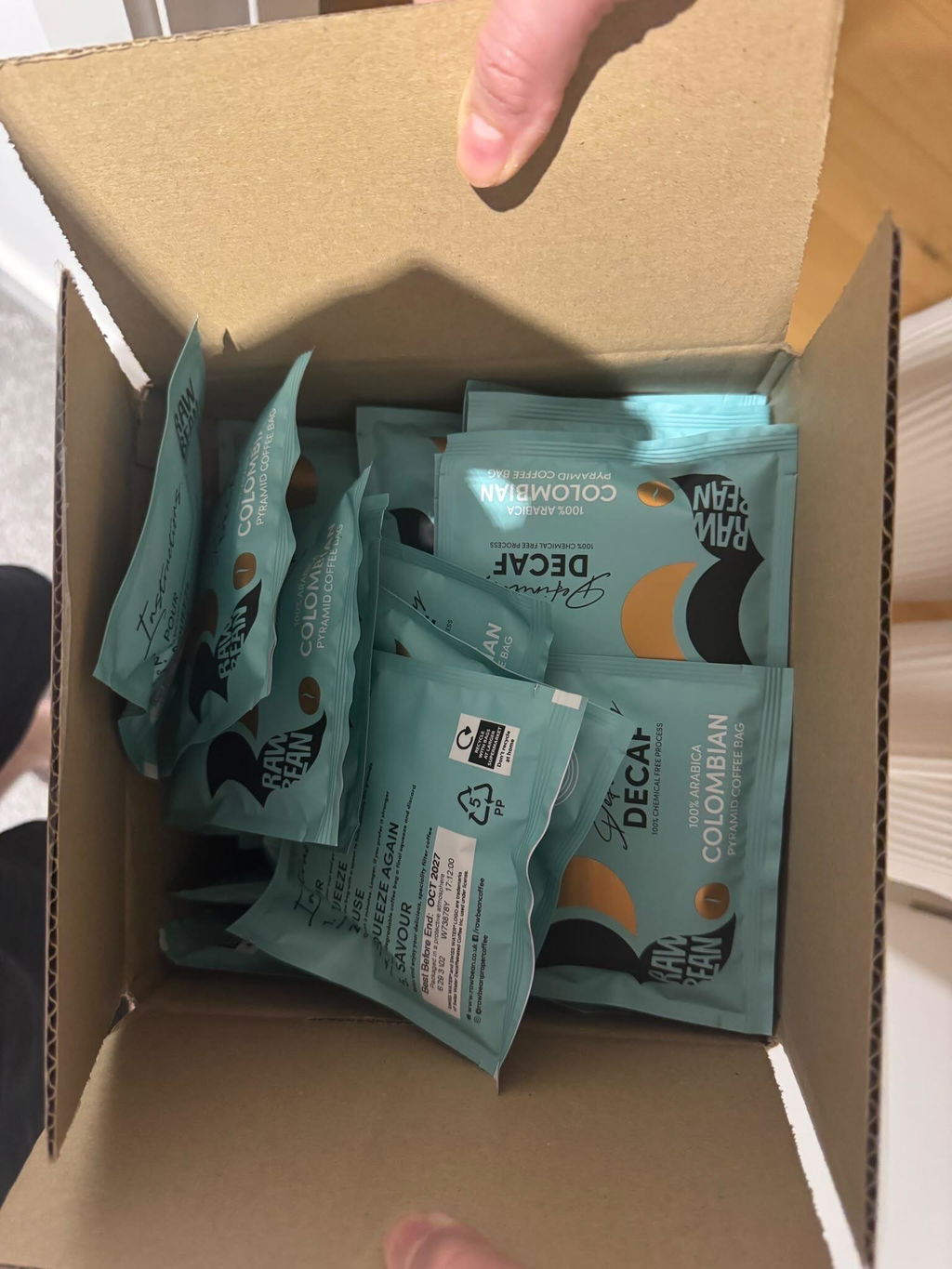
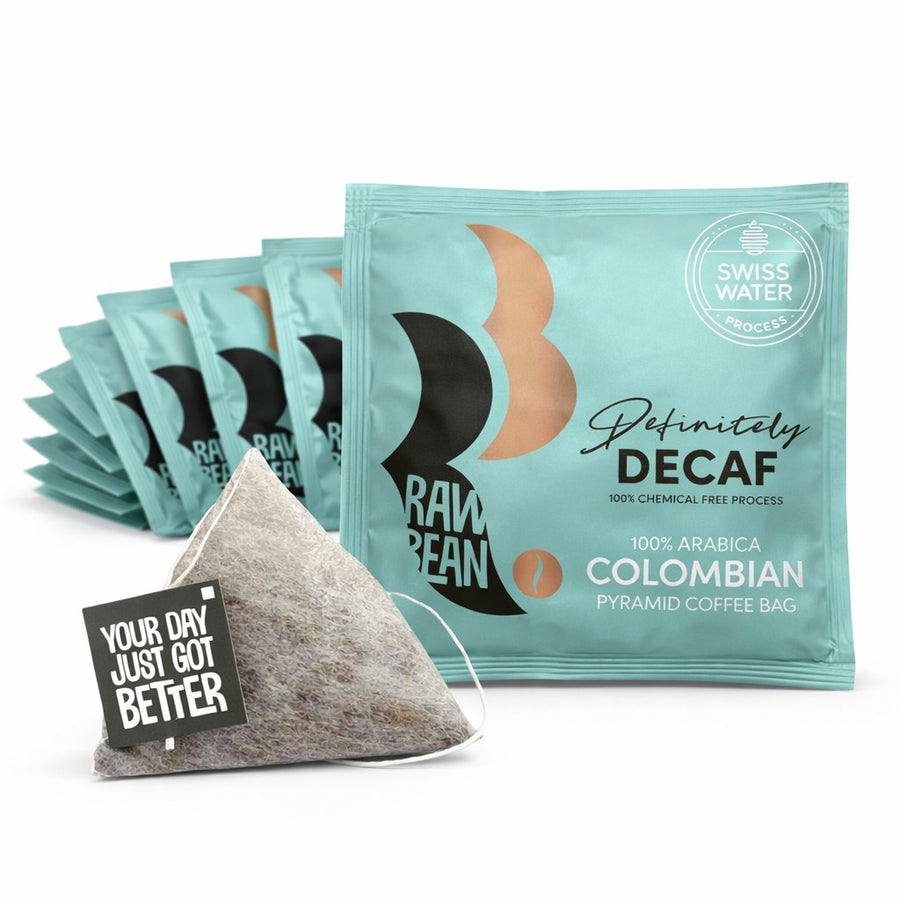
The decaf coffee bags are individually wrapped and brew straight in the cup, no grinder, no cafetiere to rinse, one hand free for everything else.
A genuinely useful gift for a household about to run short on spare hands, and easy for every visitor too, so everyone gets a proper coffee without a caffeine debate over the pram.

Start with the Swiss Water decaf coffee bags, individually wrapped and brewed in the cup, no grinder and nothing to clean. Move to the Definitely Decaffeinated beans once it is simply your coffee again.
Shop the decafThe NHS advises keeping caffeine under 200mg a day during pregnancy, and midwives often suggest switching to decaf. A cup of ours has only a trace. As with anything in your pregnancy diet, your midwife knows your situation best.
Roughly 2 to 7mg a cup, against about 90mg in a regular coffee. We would rather show you the numbers than round them off, so the detail lives on the blog: how much caffeine is in a decaf.
Yes. The Swiss Water Process uses only water, temperature and time, with no chemical solvents, and it is certifiable so you do not have to take our word for it. The full method is in our guide to the Swiss Water Process, and how it compares to chemical decaf.
The same low-caffeine logic carries on after the birth, which is why a lot of our customers stay on it. Caffeine does pass into breast milk, so keeping it low is the easy call, and again your midwife or health visitor can guide you on what suits you and your baby.
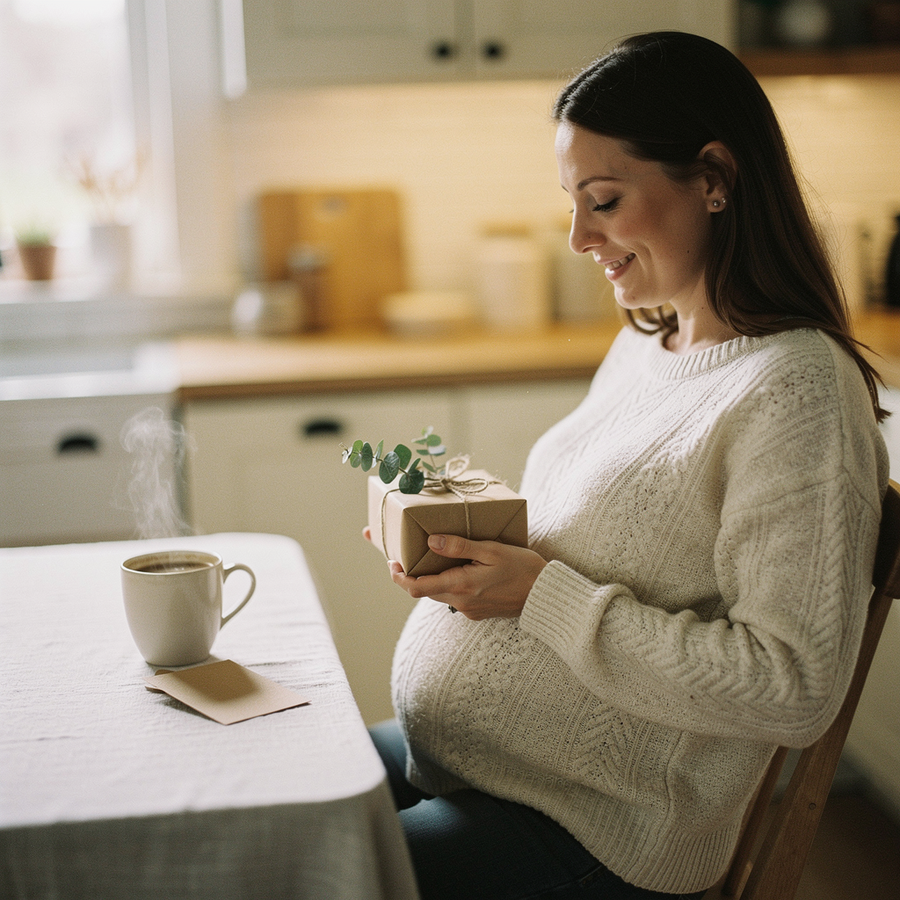
Some photography on this page is AI-assisted.